SUBSCRIBE + SAVE 30% | FREE SHIPPING ON ALL ORDERS
The Science Behind
Liver Function
Imagine your liver as the body's central sorting hub — every meal, drink, and supplement you take passes through it to be broken down, stored, transformed, or sent out for elimination.
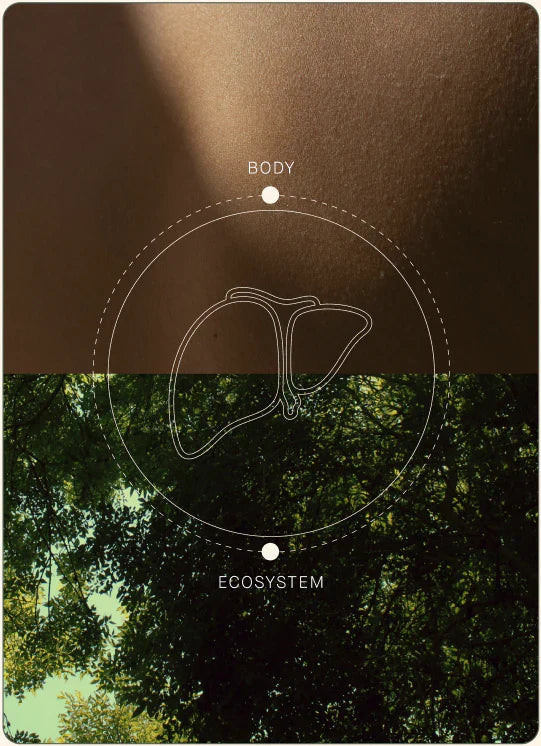
Your Liver Over the Years
Liver efficiency naturally shifts across each stage of life. Select your age range to see what is happening.
Age 15-30
Peak Efficiency
Liver Activity
The liver is remarkably resilient in these years, efficiently clearing metabolic byproducts and handling most diets without complaint.
Potential Stressors
Heavy alcohol use, poorly balanced meals, and frequent reliance on medication can quietly begin to strain liver wellness.

What Impacts the Liver
Everyday surroundings and habits can add to the load your liver carries.
Diet
Generous amounts of fatty foods, sugars, red meat, refined starches, and salty snacks can place extra strain on the liver.

Environment
In busy cities where air quality shifts, exhaust fumes and emissions can influence liver health over time.
Home Products
Everyday items — cleaning sprays, candles, deodorants, lotions, and soaps — may carry lingering compounds that reach the liver.
Chemical Exposure
Pesticides, industrial solvents, and pollutants task the liver as it works to neutralize these substances.
Medications
Prolonged or excessive use of certain medications can impact liver wellness.
Small daily choices add up
The good news? Understanding these stressors is the first step toward giving your liver what it needs to thrive.
The Important Roles of the Liver
Explore each function to see how it connects to your overall liver health.
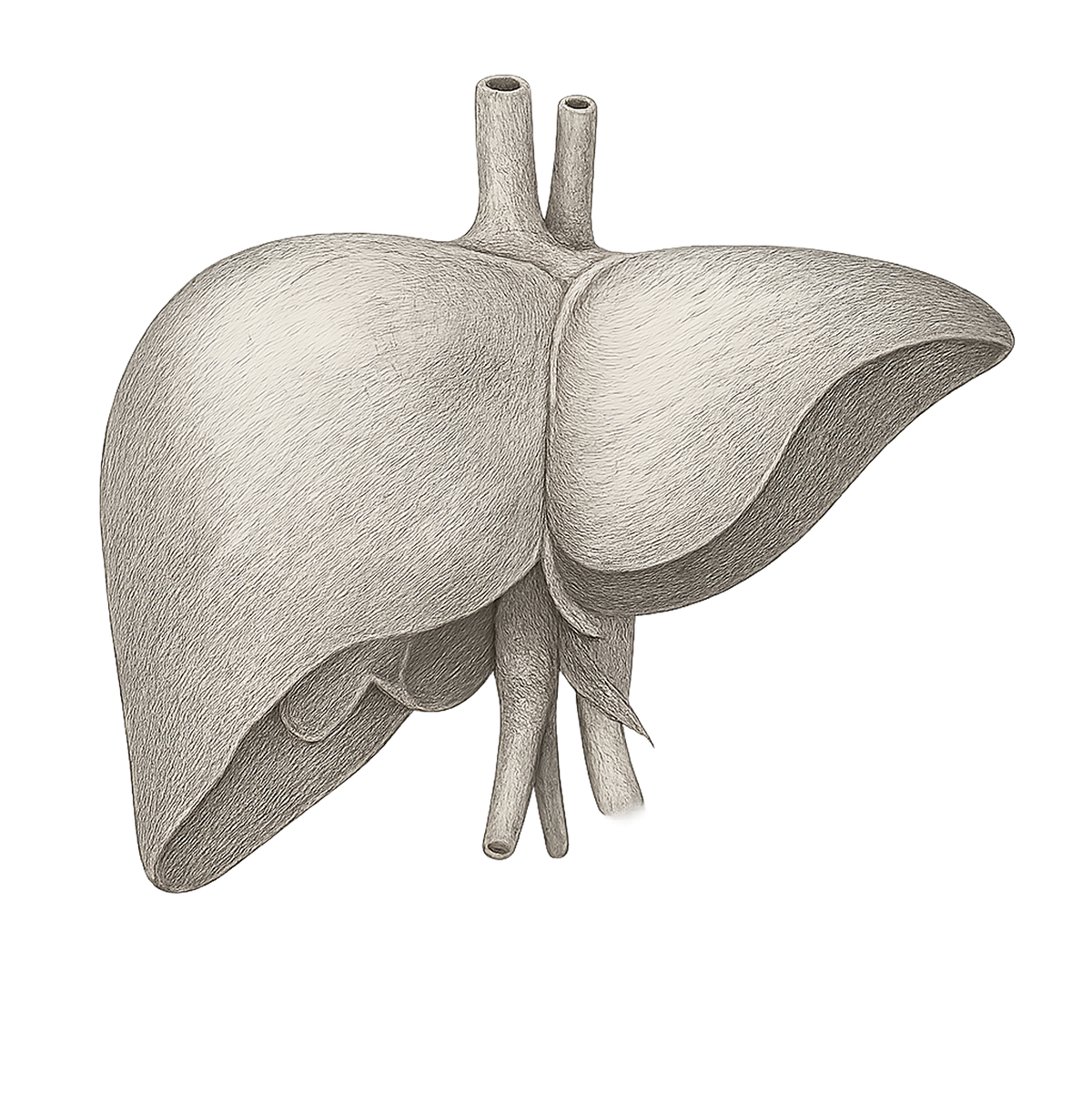
The liver filters waste from the bloodstream, including compounds that can shape how your brain feels day to day.
Through enzymatic metabolism, the liver supports balanced hormone levels throughout the body.
The liver converts dietary nutrients into glycogen — the body's primary fuel reserve — and closely manages glucose to keep energy steady.
It banks surplus glucose as glycogen and mobilizes it whenever the body calls for more energy.
Liver enzymes break down fatty acids for cellular fuel and produce bile for lipid absorption, while also balancing plasma lipids.
The organ supports cholesterol levels by synthesizing, recycling, and excreting LDL and HDL, keeping cardiovascular health in focus.
The liver produces key immune proteins and plays an integral part in immune system function.
It converts dietary protein into the specific amino acids needed for muscle repair and growth.
As a biochemical storehouse, the liver holds fat-soluble vitamins A, D, E, and K, releasing them as the body needs.
By producing bile, the liver eases fat breakdown, reduces gastrointestinal bloating, and calms post-meal discomfort.
How You Can Support Your Liver
Watch out for stressors
Ultra-processed foods, sugar-heavy diets, and environmental pressure all pass through your liver. Regular overexposure to these habits can slow it down over time.

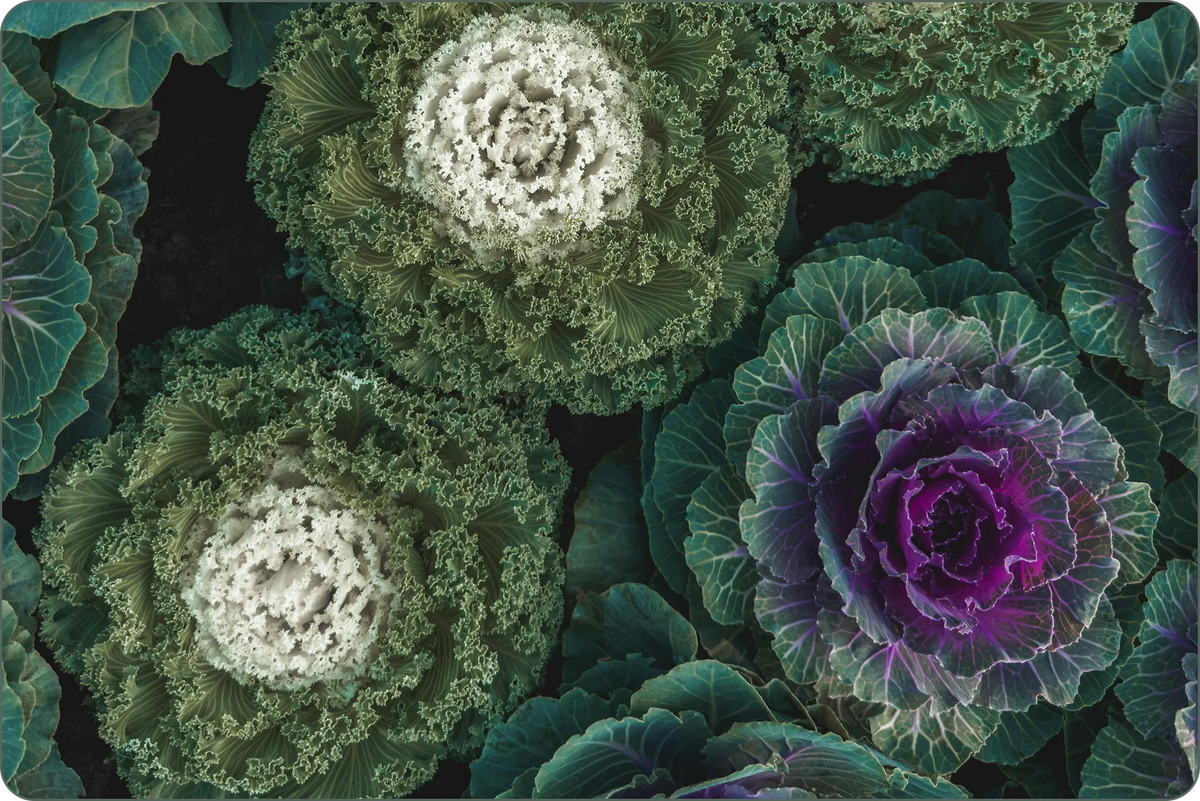
Make Room for Liver-Supporting Foods
Leafy greens, garlic, and berries are deeply nourishing to liver health and help the organ sweep unwanted compounds from the blood. Add them gradually and you may feel lighter, more energized, and steadier throughout the day.
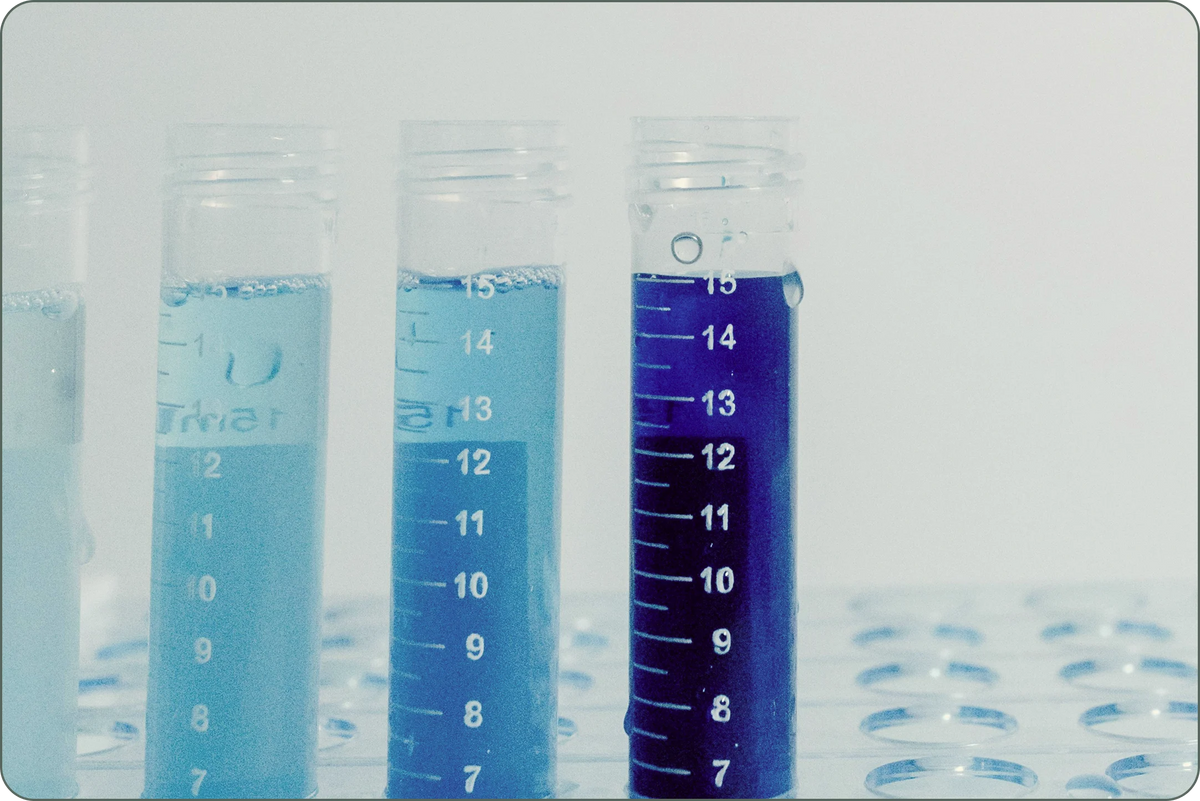
Get the Full Picture with Liver Function Tests
Liver function tests are among the most reliable ways to gain a complete understanding of your liver health. Most panels screen for key enzyme levels such as ALT and AST.
These statements have not been evaluated by the Food and Drug Administration (FDA). Any information and content found on our website is for general educational and informational purposes only. This information is not intended nor otherwise implied to be medical advice or a substitute for medical advice, diagnosis, or treatment.